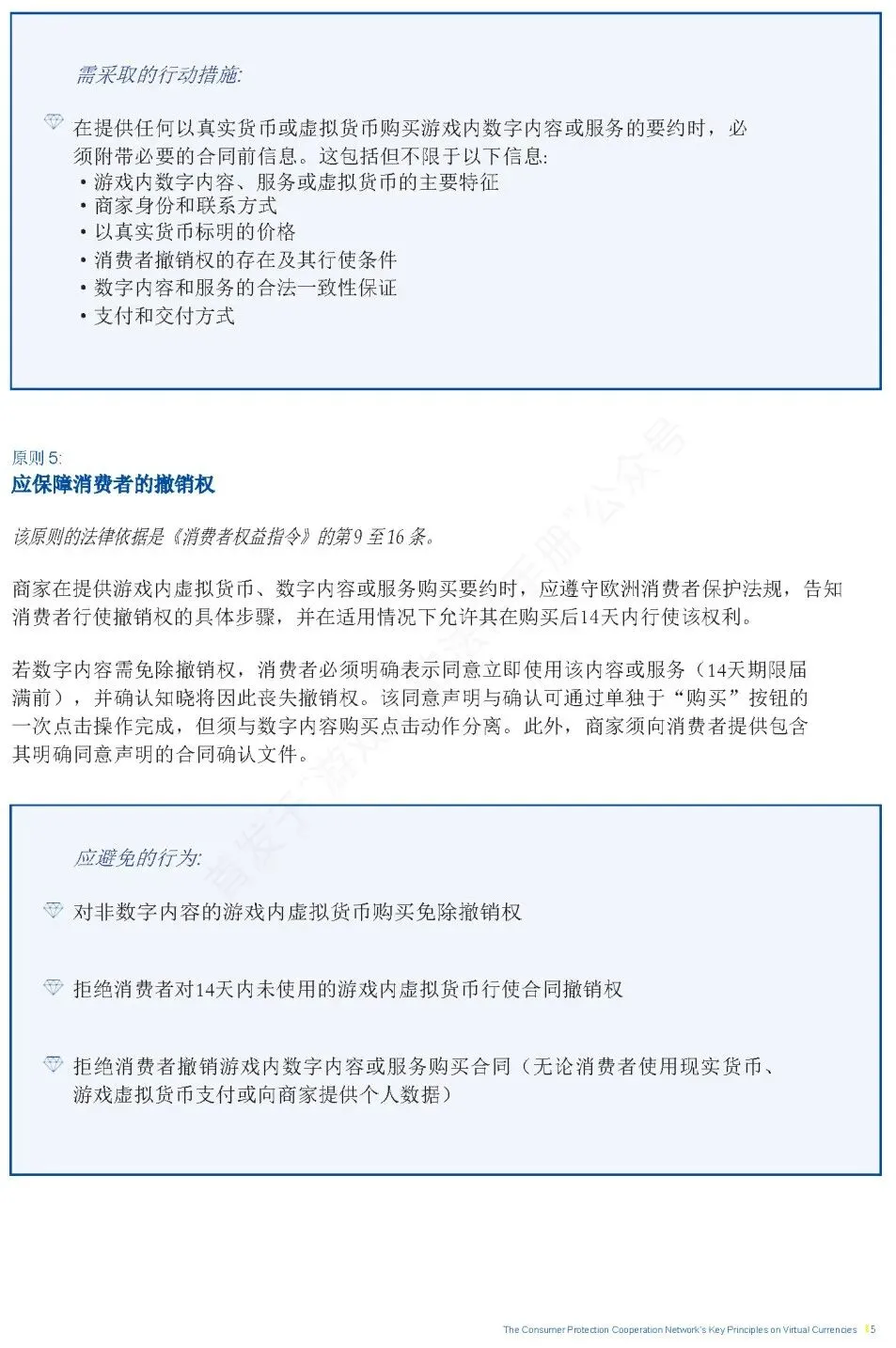
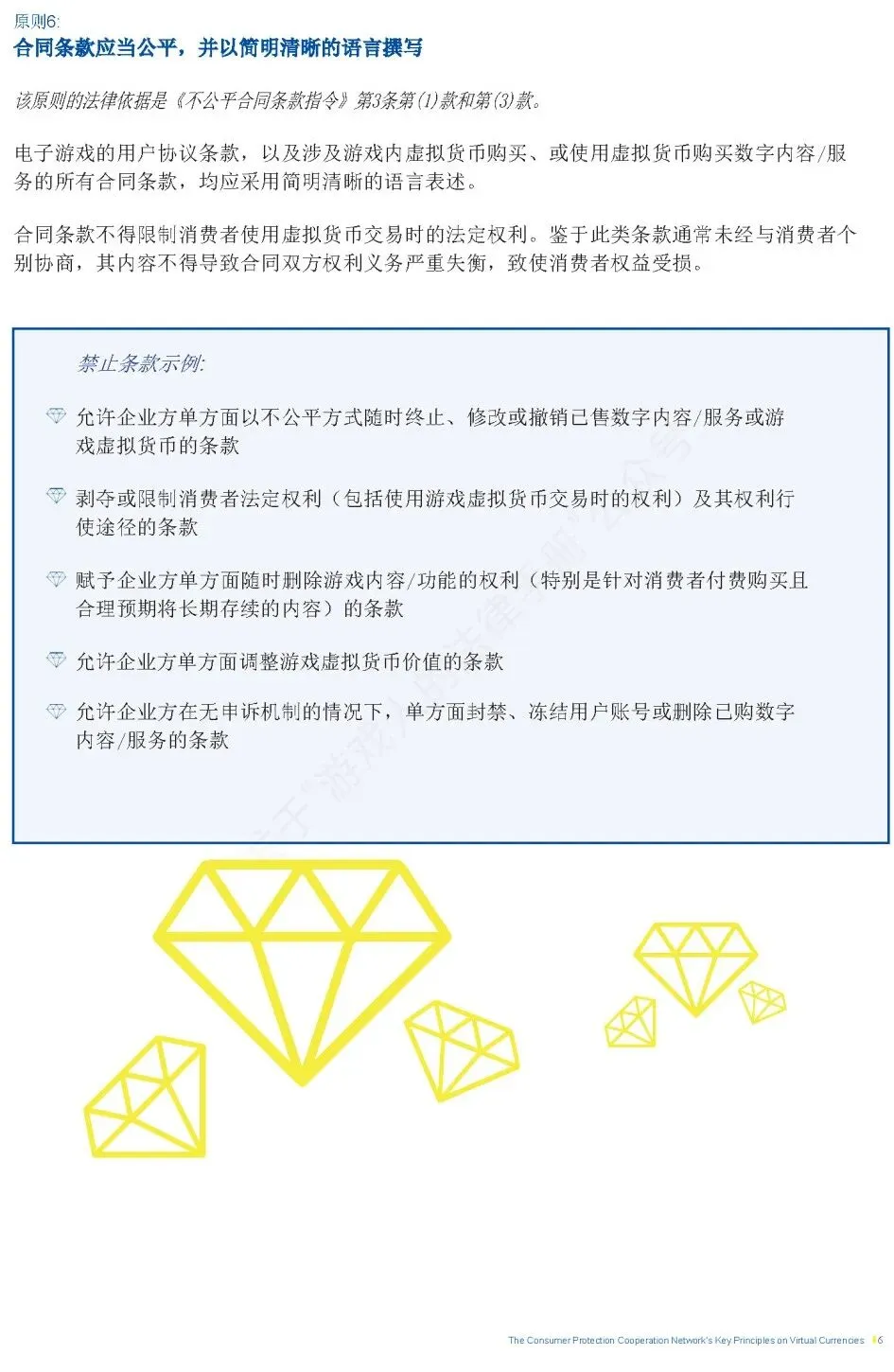
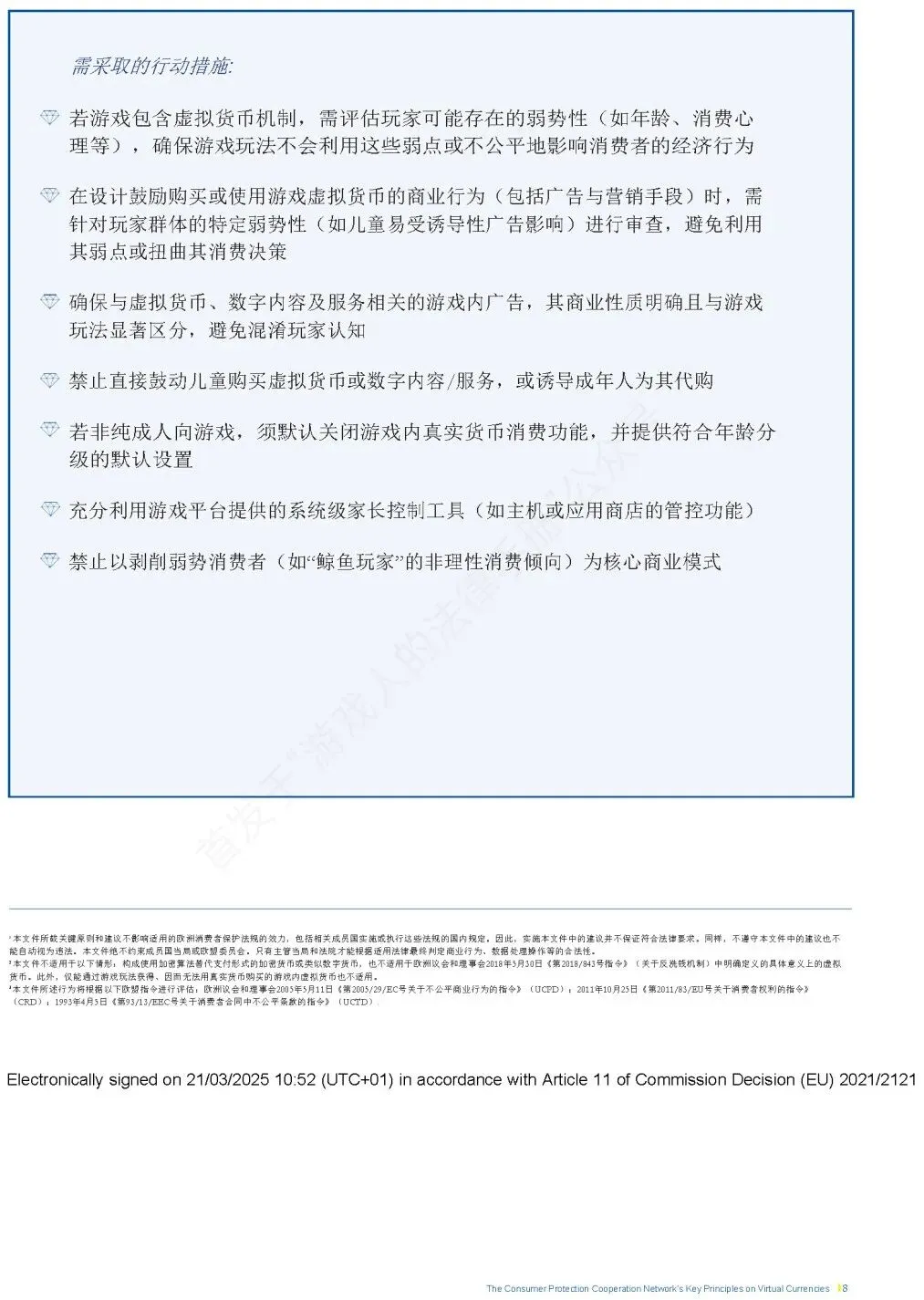
The EU released the “Key Principles on In-Game Virtual Currencies” on March 21.
The author has briefly translated and organized them, sharing them below.
This article represents only the author’s personal views and is not intended as legal advice or opinion. The translation may not be 100% accurate; please refer to the original English version for accuracy.
Senior Partner · Beijing Longan (Guangzhou) Law Firm
Director, Longan Bay Area AI Law Research Center
Boyang Li is a Senior Partner at Beijing Longan (Guangzhou) Law Firm and Director of the Longan Bay Area AI Law Research Center, with more than ten years of experience in internet law. His practice covers generative AI and algorithm compliance, data protection, games and digital content, intellectual property and unfair competition, and disputes involving internet and technology companies. He co-authored A Guide to ChatGPT for Legal Professionals (Law Press China), built legal tech tools including WordOllama, and won second prize at the first Guangdong Lawyers AI Innovation Competition.
Boyang Li, "[Translation] EU 'Key Principles on In-Game Virtual Currencies' (Released March 21) Chinese Version," Boyang Li (lslby.com), April 3, 2025, https://www.lslby.com/en/research/eu-in-game-virtual-currencies/
Anti-cheat decisions may rely on technology, but a permanent ban must also withstand scrutiny of the evidence. A Beijing Internet Court case illustrates what matters: the terms, server logs, appeals and account restoration.
Analyzes the legal issues when an endorser's other controversial collaborations lead to player boycotts, noting that traditional contracts can hardly cover such risks, litigation faces evidence-proving difficulties, and commercial negotiation for settlement is the better solution.
Analyzes the legal liability of a Delta Force streamer who live-streamed the destruction of a viewer's rare in-game items, covering infringement determination, virtual property valuation methods, and the criminal threshold for intentional destruction of property.